
00:00
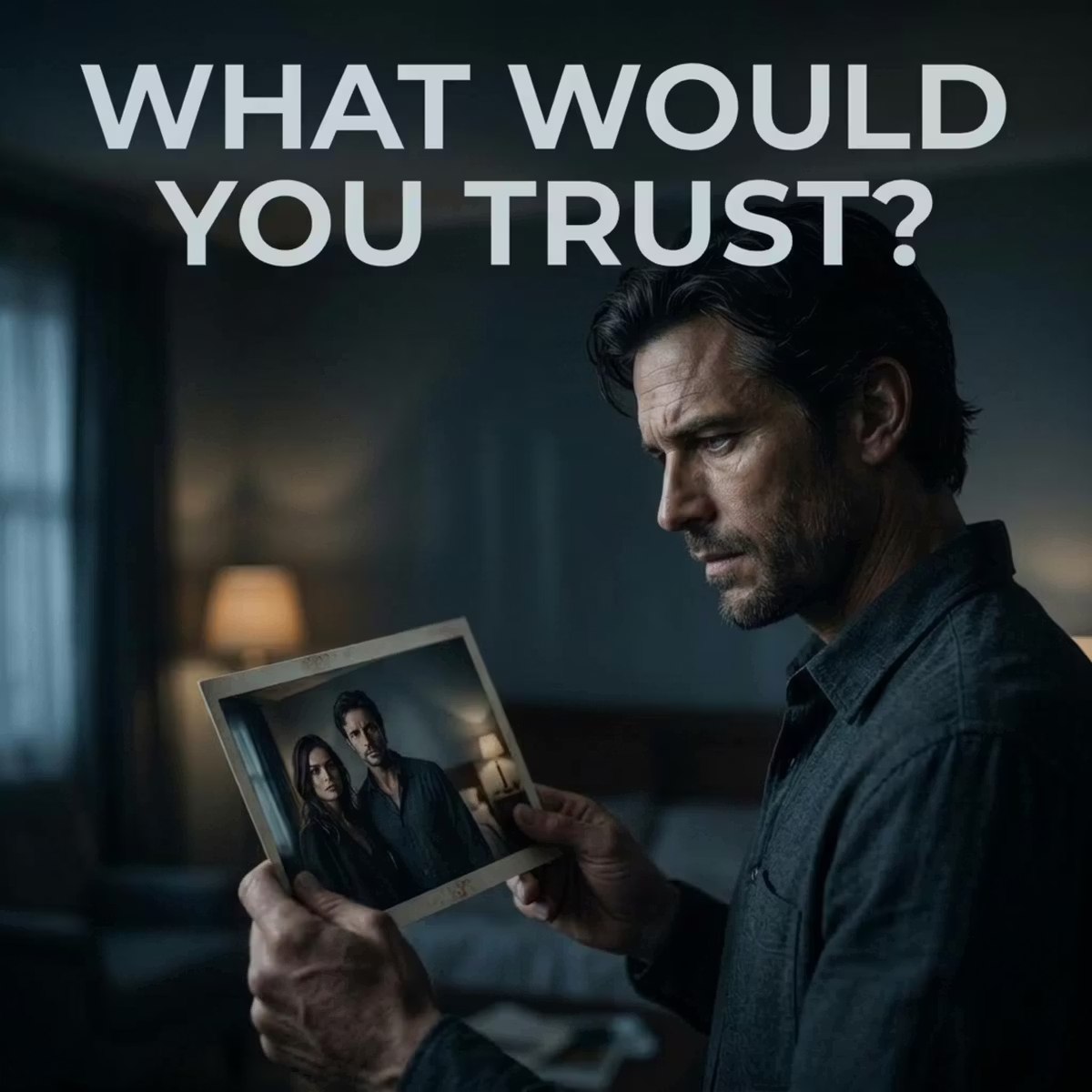
He forgot his wife. Not her name, not her face. Heforgot that she had ever been part of his life.
And yet, he remembered almost everything else. Hishome, his work, his childhood, the streets heknew,
the conversations he had. Three years of his lifewere still there. But she was gone, notphysically,
from his memory. Think about that for a moment.What would it feel like to look at a photograph
of the person you supposedly love? We often thinkof memory as a recording, something that stores
the past, something we can lose, something we canrecover. But memory is not a perfect recording.
It is part of how we construct our identity. Ourmemories tell us who we are. They tell us who we
loved, who hurt us, what we survived, what weregret, what we believe about ourselves.
So what happens when one of those memoriesdisappears? Not a random memory, the memory
of a person, someone who was supposed to mattermore than almost anyone else. And what if that
memory did not disappear by accident? What ifsomeone wanted you to forget? At first, thatsounds
like a story about memory, but perhaps it isreally a story about trust. Because if you cannottrust
your own memories, who can you trust? The peoplearound you? The photographs? The evidence? The
person telling you what happened? Or perhaps noneof them? That is where Ethan Cole finds himself.
Ethan remembers three years of his life, but hedoes not remember his wife, Nora.
He knows she existed. Other people know. There aretraces of her everywhere. But knowing something
happened is not the same as remembering it. Andthat difference begins to consume him,
because Ethan cannot simply accept the explanationthat something went wrong in his mind.
He needs to know why. Why her? Why those years?And why does everything around him seem to suggest
that the missing memory is connected to somethingmuch larger? The deeper he looks, the moreunsettling
the question becomes. Maybe the missing memory isnot the mystery. Maybe it is the clue. Because
sometimes forgetting can protect us. From pain.From guilt. From something we are not ready to
understand. But protection has a price. If someoneremoves the truth from your past,
they also remove your ability to decide what thattruth means. And that changes the question
completely. What if the thing you most want toremember is the very thing someone wanted you to
forget? There is something frightening aboutlosing a memory. But there is something even
more frightening about discovering that the memorywas taken from you. Because our past does not
simply tell us what happened. It tells us who weare. Remove part of the past, and you may change
the person who exists in the present. Imaginediscovering that one of the most important
moments of your life was not the moment youremembered. Imagine discovering that the person
03:02
you trusted knew something about your life thatyou did not. And imagine realizing that the truth
was there all along. Hidden inside the gap. Insidethe silence. Inside the memory that remained,
and the memory that didn't. That is the questionat the heart of the memory that remained.
A psychological story about memory. Aboutidentity. About trust. And about what happens whenthe truth
of your life does not match the story inside yourhead. Ethan is not simply trying to remember his
wife. He is trying to understand the person hebecame after forgetting her. And perhaps that
is the deeper question. If a memory disappears,does the experience disappear with it? If you
cannot remember loving someone, does that lovestill belong to you? And if the truth could change
everything you believe about your own life, wouldyou really want to know it?
The Memory That Remained. Jonah Whitmore. A storyabout the things we remember,
the things we forget, and the dangerous spacebetween the two. Because sometimes,
the most frightening question is not, what did Iforget? It is, who wanted me to forget?