
00:00
What if your personality is built on memories thatnever actually happened?
Think about how you describe yourself. Maybe yousay,
I've never been good at trusting people. Or, I'mthe kind of person who always gives others
a second chance. We build these ideas aboutourselves over time, and usually we can point
to a reason. Something happened when we wereyoung. Someone let us down. Someone helped us
when we needed it most. We remember the moment,and we connect it to the person we became.
But here's a strange question. What if that memoryis wrong? Not a little wrong. What if the eventyou
believe shaped your personality never happened theway you remember it? Would you still be the
same person? Imagine a man who says he nevertrusts anyone. He remembers being a child,
waiting for someone who promised to come back. Heremembers the empty doorway, the disappointment,
the feeling that he had been forgotten. For years,he tells himself that this is why he keeps people
at a distance. It makes sense to him. It explainshis relationships, his decisions, even the way he
reacts when someone doesn't answer a message.Then, one day, he discovers something unexpected.
The person he remembers waiting for actually cameback. Someone found a photograph. There
are other people who remember that day. His memorywas incomplete. Maybe he had confused
two different events. Maybe he had combineddetails from stories he heard later. The moment
that explained his entire personality wasn't whathe thought it was. So now what? Does he stop being
that person? Or does he keep living by a storythat no longer holds up? Of course, discovering a
false memory doesn't automatically change someone.A person can learn that a memory is inaccurate
and still feel the same fear. They can understandthe facts and still react as if the old story were
true. That's because our personalities aren'tbuilt from memories alone. They're also shaped
by habits, relationships, biology, and the thingswe do repeatedly. But memories can give those
patterns a meaning. They can turn, I find itdifficult to trust people into, I know exactly
why I'm like this. And that explanation can becomepart of our identity. We may even start noticing
only the things that support it. Someonedisappoints us and we think, there it is again.
Someone treats us well and we decide it doesn'treally count.
The story stays in place, even when the evidencebecomes more complicated.
Now imagine that you discover something even moreunsettling. What if several of the memories you
use to explain yourself are false? Not everymemory, just the important ones. The moments
you return to when you ask yourself why you behavea certain way, why you avoid certain people,
03:00
why you always expect things to go wrong, why youbelieve you aren't capable of something.
What happens when those explanations begin todisappear? You might feel relieved, you might feel
angry, or you might feel strangely lost. Becauseeven a painful explanation can make life feel
predictable. If you know why you are the way youare, you can tell yourself you understandyourself.
But if that explanation falls apart, you have toface a difficult possibility. Maybe you don't know
yourself as well as you thought. And maybe theperson you've been defending all these years
is partly a story you've been telling. But there'sanother side to this.
Maybe the most important question isn't whetherevery memory is accurate.
Maybe it's what we do when we discover that oneisn't. You can't always change what happened.
And you can't always recover the truth about yourpast. But you can question the conclusions
you've built around it. A memory may haveinfluenced you. It doesn't have to decide
every choice you make from now on. You can becautious without believing everyone will hurt you.
You can remember disappointment without expectingevery relationship to end the same way.
And you can change without pretending your pastnever mattered.
I think that's the uncomfortable part of identity.We want a clear explanation for who we are.
We want to be able to say, this is me, this iswhy. But people are more complicated than that.
So here's the question. If the memories thatexplain your personality turned out to be false,
would you still trust the person you believeyourself to be? Or would you finally give
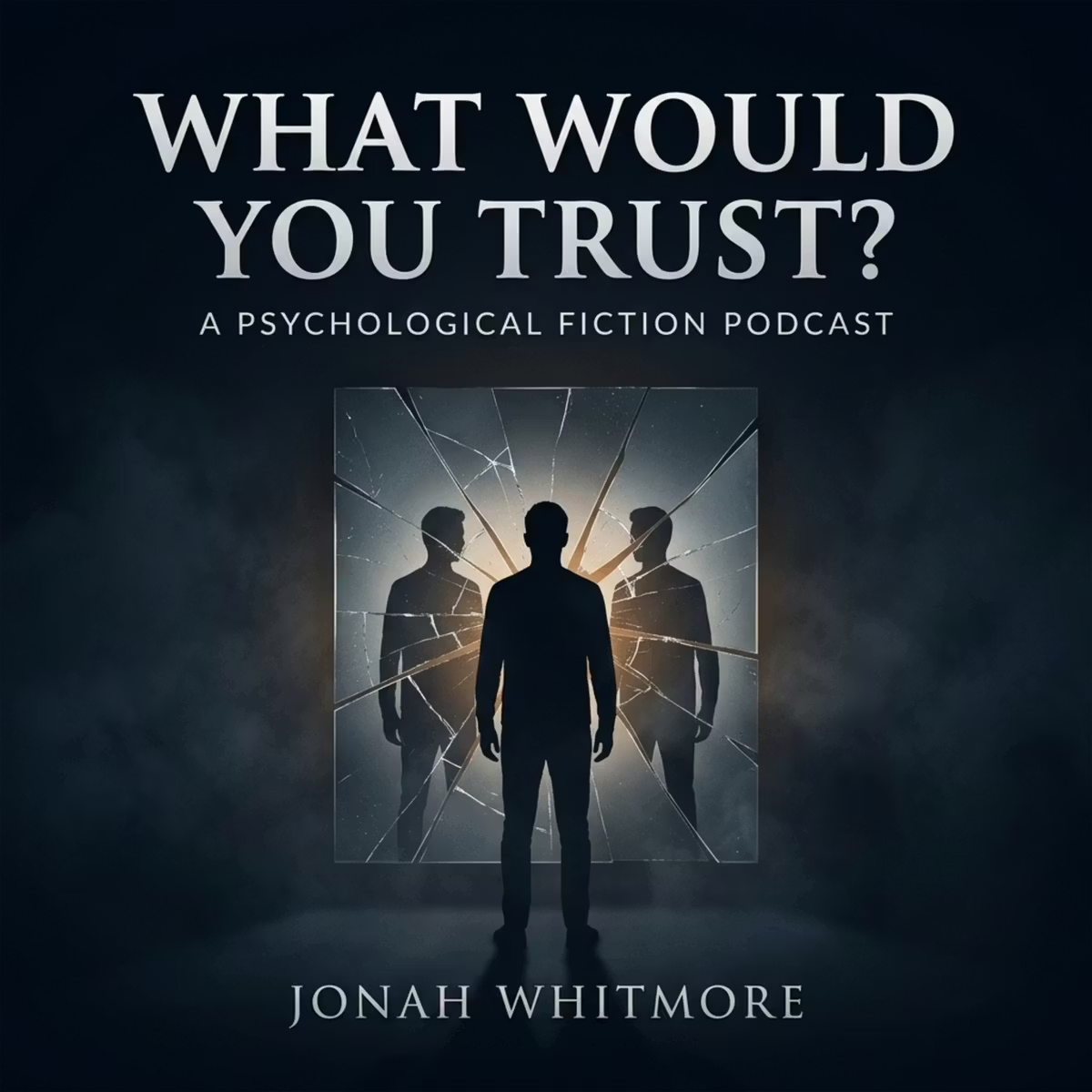
permission to become someone else? This is WhatWould You Trust?
I'm Jonah Whitmore, and I'll leave you with thatquestion.